

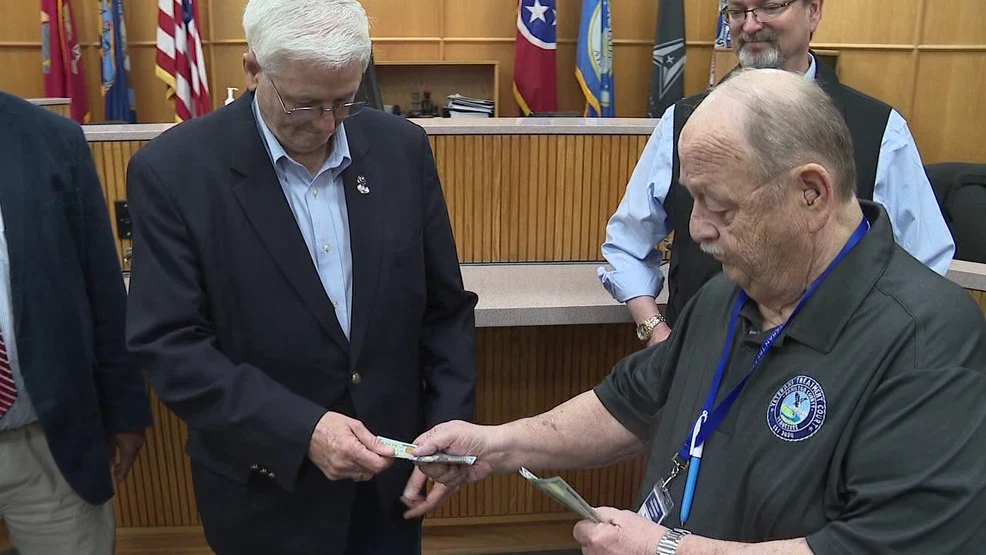
Kansas City Veterans Court: Bridging the Gap Between Service and Civilian Life
On paper, it seems easy to leave the military. Things seem different in real life. A lot of veterans come home with stress, trauma, or behaviors they picked up while serving. Some people have PTSD. Some people have problems with addiction, despair, or anger. If you don’t pay your rent on time, you could get in trouble with the law. A rough night leads to a crime. It happens faster than most people anticipate it will. That’s when the Kansas City Specialty Courts come in. The Kansas City Veterans Court gives veterans a way to get their lives back on track instead of sending them to jail over and over again. It combines therapy, organization, and responsibility. And to be honest, that combo can change lives.
Not Just a Courtroom
Veterans Court is not a way to get out of jail for free. That’s what some people think at first. It is actually stricter than many other judicial programs. People who are involved go to hearings on a regular basis. They talk to counselors. Testing for drugs is widespread. People look at progress a lot. There are repercussions for missing steps. The tone is still different, though. The court knows about military culture. That is more important than most people think. Service members are taught how to ignore suffering. They learn how to be disciplined, survive, and do things on a regular basis. Life as a civilian doesn’t always have that same structure. So when things are tough, veterans might choose to be alone instead of asking for support. Veterans Court attempts to stop that cycle.
Why Veterans Get In Trouble with the Law
There are many explanations, but some patterns crop up a lot. Some veterans have trouble with:
- Abuse of drugs
- Trauma and PTSD
- Problems with housing
- Losing a job
- Stress in the family
- Feeling anxious or sad
A veteran might drink to help them sleep. Then you get a DUI. Another person can conduct negatively when things are stressful because they never completely turned off their hypervigilance after deployment. Hey, you know what? A lot of folks who aren’t in the military don’t completely understand that link. Yes, the court does. That knowledge lets judges, mentors, and treatment teams respond with more information instead of making fast decisions.
The Human Aspect of Responsibility
Here’s the thing: being responsible still matters. Being a veteran doesn’t make you less likely to commit a crime. It looks at the real reasons behind it. That’s a tremendous change.Most of the time, traditional courts focus on punishment first. Specialty courts also look at changes in behavior over time. The goal is for public safety and personal recovery to work together. Instead of painting over broken walls, think of it as fixing a cracked foundation. The outside may look OK for a while, but the core problem stays. A lot of the time, programs include:
- Care for mental health
- Counseling for addiction
- Mentoring by peers
- Help with work
- Housing help
- Supervision by the court
That support network can help you deal with civilian life better.
Helping Other Veterans
Peer mentoring is a significant feature of the curriculum. Veterans frequently trust other veterans more quickly than civilians. Having the same experience makes you more trustworthy. A mentor doesn’t need a long explanation to comprehend military lingo, routines, and how heavy emotions can be. Sometimes a simple “I’ve been there too” works more than formal counsel to get rid of shame. That relationship is important during tough weeks. Recovery doesn’t usually go in a straight line. There are problems. Meetings that are missed happen. Things get heated. People trip. Still, continuous coaching helps people keep going.
The Community Effort in Kansas City
This kind of program doesn’t work by itself. Groups in the community, treatment providers, volunteers, and local leaders all have a part to play. In Kansas City, groups like Beyond the Bench KC help raise awareness of Specialty Courts and their goal of helping people get better. Beyond the Bench KC thinks that justice should bring about change that lasts, not cycles of punishment that never end. People in the community support these courts because they believe in them. And to be honest, communities benefit as well. When veterans get help and treatment, they generally stop committing crimes. Families become more stable. Jobs get better. Instead of being lost in the system, kids observe their parents repairing their lives. That ripple effect goes far beyond one courtroom.
The Change That No One Talks About Enough
People change when they serve in the military. That’s not always bad. A lot of veterans come back with leadership qualities, discipline, and strength. But stress from the change is genuine. Picture living in a system for years where there are rigorous routines, distinct ranks, and frequent teamwork. Then, all of a sudden, you’re alone, looking for work, and attempting to get back in touch with family members who have changed while you were gone. That change might be hard to deal with. Some veterans get used to things quickly. Some people quietly fight for years before they get into legal jeopardy. Veterans Court knows that there is a difference between military and civilian life. It gives participants structure and helps them become independent again. People are slowly rebuilding their routines and trust. And little victories are important. A drug test that comes back clean is important. It’s important to keep a job. It’s important to be on time. Reconnecting with family is important. Over time, those wins add up.
A Different Type of Justice
People all around the country are starting to think that the judicial system should do more than just punish. Kansas City’s Veterans Court is an example of this. The method combines kindness with strong expectations. People who are taking part must do real job. No one gives them success. But the court does provide veterans something they haven’t had in a long time: assistance without shame. That mix might be very strong. And when veterans get their lives back on track, communities get stronger too.
Questions and Answers About the Kansas City Veterans Court
1.What is the Veterans Court in Kansas City?
The Kansas City Veterans Court is a special court for veterans who are in trouble with the law. It helps people deal with problems including addiction, trauma, and mental health concerns by giving them treatment, supervision, and mentorship.
2.Who can go to Veterans Court?
Eligibility is based on a number of things, such as military service, criminal charges, and your personal history. The court team looks at each case on its own.
3.Does Veterans Court take the place of jail time?
Not all the time. Some people who take part in the program may not have to go to jail, but others may still have to pay fines. The program focuses on both treatment and being responsible.
4.How long does the program go on?
The length of the program is different. Depending on how well they are doing in treatment and what the court requires, many people continue in the program for several months or longer.
5.What are specialty courts relevant for veterans?
Specialty courts look at the root reasons of criminal behavior. For soldiers, this might mean PTSD, drug misuse, or trouble getting used to life as a civilian. The goal is to help people recover for good and make communities safer.