

London Cosmetic Dentists Reveal 8 Ways Dental Implants in London Restore Natural Smiles
A missing tooth changes more than a smile. It alters how people speak, chew and feel about their appearance, and over time it can even affect the shape of the face. This article sets out eight ways implants bring smiles back to a natural look, based on what clinicians see every day in practice. Whether a single tooth has been lost through injury or several have been lost because of gum disease, the aim is always the same: to recreate something that looks and behaves like a real tooth rather than an obvious substitute. That is why many patients searching for a dependable dental implant London option begin by learning how modern implant dentistry works and what it can realistically achieve.
Dr. Sahil Patel of MaryleboneSmileClinic often explains to patients that an implant is not just a cosmetic cover but a small engineered root that becomes part of the jaw. In his words, “People who want to understand how dental implants London work should take a few minutes to visit this site, where we explain the steps clearly and without jargon. When you know what is involved, you can make a calmer and more confident decision about your treatment.” His advice reflects a wider shift in dentistry towards transparency and informed choice, and it sits alongside the clinical evidence that implants are now one of the most reliable long-term solutions available.
How implants replicate the structure of natural teeth
The first way implants restore a natural smile is by copying the anatomy of a real tooth more closely than any other dental option. A natural tooth has a root that sits in the jawbone and a crown that appears in the mouth. Traditional bridges and dentures only replace the visible part, which means the bone beneath can slowly shrink because it is no longer being stimulated. An implant, by contrast, is placed into the bone where the original root once sat. Over a few months it bonds with the surrounding tissue in a process called osseointegration, creating a stable base for the crown that will be attached later.
This anchoring effect allows the dentist to design a crown that emerges from the gum in a way that looks convincing. There is no need for metal clasps, pink acrylic or bulky frameworks that draw attention when someone speaks or laughs. The gum line can be shaped carefully around the new tooth so that it mirrors the gentle curves of natural gums. From a conversational distance, most people cannot tell the difference between an implant crown and a real tooth, which is why many patients say they forget which tooth was ever missing.
Another important aspect of this structural similarity is the way implants handle chewing forces. When someone bites down on food, the pressure is transmitted through the crown into the implant and then into the bone, just as it would be through a natural root. This helps keep the jaw healthy and prevents the sunken look that can develop when bone is lost. In practical terms, it means patients can eat a varied diet without worrying about movement or discomfort. Over time, this stability contributes to a smile that not only looks natural but also feels natural in everyday use.
Preserving facial shape and youthful appearance
A second way implants help restore a natural smile is by supporting the face from within. When teeth are lost, the bone that once held them begins to resorb, or shrink. This can cause the lips to lose support and the lower part of the face to collapse inward slightly, leading to deeper lines around the mouth and a prematurely aged look. Dentures may replace the teeth visually, but they do not stop this process because they sit on top of the gums rather than inside the bone.
Implants counteract this problem by continuing to stimulate the jawbone every time the patient chews. This stimulation tells the body that the bone is still needed, slowing or even preventing the resorption that would otherwise occur. As a result, the facial profile is better maintained. Patients often report that their lips feel more supported and their cheeks look fuller after implant treatment, even though no cosmetic fillers or other procedures have been used.
From an aesthetic point of view, this internal support is crucial. A smile does not exist in isolation; it is framed by the lips and cheeks, and those structures depend on the underlying bone. By preserving that bone, implants help ensure that the new teeth sit in the right position relative to the rest of the face. This is particularly important for people who have lost several teeth over time, as the cumulative effect of bone loss can be significant. Restoring those teeth with implants can therefore make the whole lower face look more balanced and natural again.
Creating custom crowns that blend seamlessly
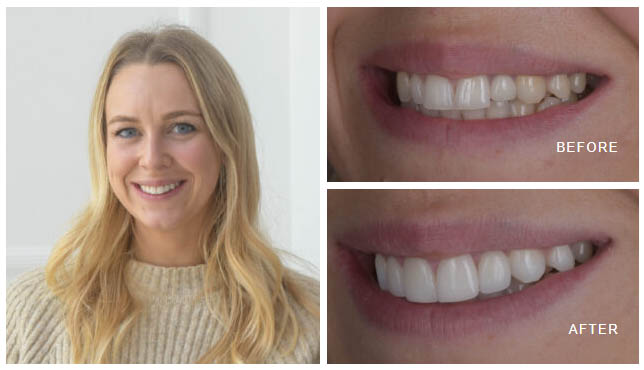
The third way implants restore natural smiles lies in the craftsmanship of the crowns that sit on top of them. Once an implant has integrated with the bone, a crown is made to fit precisely over it. In modern London clinics, these crowns are usually crafted from high-quality ceramics that mimic the translucency and light-reflecting properties of real enamel. The dentist and dental technician work together to match the shade, shape and surface texture of the crown to the surrounding teeth so that it blends in rather than standing out.
This process is far more sophisticated than simply choosing a white colour from a chart. Natural teeth have subtle variations, with slightly darker areas near the gum and tiny flecks or lines within the enamel. A well-made implant crown reproduces these details, giving the finished smile depth and realism. The edges of the crown are also designed to meet the gum smoothly, avoiding the dark lines or gaps that can sometimes be seen with older restorations.
Because each crown is made individually, implants can be adapted to suit a wide range of faces and smiles. Someone with small, delicate teeth will not be given the same shape as someone with broader, more robust ones. This attention to proportion helps ensure that the implant-supported tooth looks as though it has always been part of the mouth. For patients who are self-conscious about a gap or an obvious false tooth, this level of customisation can make a significant difference to how confident they feel when they smile.
Restoring confidence in speech and everyday comfort
A fourth benefit of implants is the way they improve speech and comfort compared with removable options. Dentures can sometimes slip or click when a person talks, particularly if they are not perfectly fitted. Even a small movement can make someone hesitant to speak loudly or laugh freely, which in turn affects social confidence. Implants, being fixed in place, remove this source of worry.
When a missing tooth is replaced with an implant, the tongue and lips have a stable surface to work against, much like they do with a natural tooth. This makes it easier to pronounce certain sounds clearly, especially those that rely on contact between the tongue and the teeth. Over time, most patients adapt quickly and find that their speech returns to normal without conscious effort.
Comfort is also improved because implants do not rub against the gums or require adhesives. There is no need to remove them at night or to adjust them during the day. This constant, reliable presence allows people to focus on their activities rather than on their dental appliance. In a busy city like London, where social and professional interactions are frequent, this sense of ease contributes to a more natural and relaxed smile.
Supporting long-term oral health
The fifth way implants restore a natural smile is by protecting the health of the remaining teeth and gums. When a gap is left unfilled, neighbouring teeth can drift into the space, altering the bite and making cleaning more difficult. This can lead to further decay or gum disease, creating a cycle of problems. Traditional bridges, while useful in some cases, require the adjacent teeth to be filed down to support the replacement tooth, which permanently alters them.
An implant stands on its own, without relying on the teeth beside it. This means those teeth can remain intact, preserving their natural structure. Cleaning around an implant crown is similar to cleaning around a real tooth, with brushing and flossing sufficient in most cases. By keeping the mouth easier to maintain, implants reduce the risk of future complications that could undermine the overall appearance of the smile.
For many patients, this preventive aspect is just as important as the cosmetic one. Knowing that the solution chosen today will not compromise the health of other teeth tomorrow provides reassurance. Over the years, this stability helps maintain an even, well-aligned set of teeth that continues to look natural as the person ages.
Adapting to different tooth loss situations
The sixth way implants contribute to natural-looking results is their flexibility. They can be used to replace a single tooth, several teeth in a row or even a full arch. In each case, the principle remains the same: creating a stable foundation that allows realistic-looking teeth to be attached. For someone who has lost just one tooth, a single implant can be placed without affecting the rest of the mouth. For someone with more extensive tooth loss, a small number of implants can support a bridge or a full set of fixed teeth.
This adaptability means that treatment can be tailored to the individual rather than forcing everyone into the same solution. A patient who has lost teeth through trauma may have different needs from someone whose teeth were affected by long-term gum disease. By adjusting the number and position of implants, dentists can recreate a smile that fits the person’s face and lifestyle.
It is also worth noting that advances in imaging and planning have made implant placement more precise than ever. Three-dimensional scans allow dentists to see the bone structure in detail and choose the best sites for each implant. This precision reduces the risk of complications and helps ensure that the final teeth sit in a natural, harmonious position.
Improving stability for long-lasting results
A seventh benefit, closely linked to all the others, is the durability of implants. When cared for properly, they can last for many years, often decades. This longevity contributes to a natural smile because the teeth do not need to be replaced or adjusted frequently. Dentures can wear down or become loose as the gums and bone change, which may require relining or replacement. Implants, anchored in the bone, remain stable even as the rest of the mouth changes over time.
This stability allows the surrounding tissues to settle into a healthy, balanced state. The gums around an implant crown can be kept clean and free from inflammation, helping them maintain a natural pink colour and firm texture. The result is a smile that does not just look good immediately after treatment but continues to look good in the long term.
For people considering a dental implant London provider, this long-term perspective is often a deciding factor. While the initial investment may be higher than other options, the lasting nature of implants means fewer future interventions and a more predictable outcome.
Restoring self-esteem and social ease
The eighth and final way implants restore natural smiles is through their impact on how people feel about themselves. A missing or unstable tooth can make someone cover their mouth when they speak, avoid smiling in photographs or feel uneasy in close conversation. These small behaviours add up, affecting relationships and self-image. When implants replace what was lost, the change is often psychological as well as physical.
Patients frequently describe a sense of relief when they realise they no longer have to think about their teeth. They can eat in public without worry, smile without self-consciousness and speak without hesitation. This ease feeds into a more open, confident way of interacting with others, which in turn makes the smile appear more genuine.
In this sense, implants do more than fill gaps. They help people return to a version of themselves that feels familiar and comfortable. For a treatment that began with a small titanium post in the jaw, the wider effect on daily life can be surprisingly profound.
By addressing structure, appearance, function and long-term health all at once, dental implants offer a comprehensive way to restore natural smiles. In London’s diverse dental landscape, they have become a trusted option for those who want results that look convincing, feel secure and stand the test of time.