

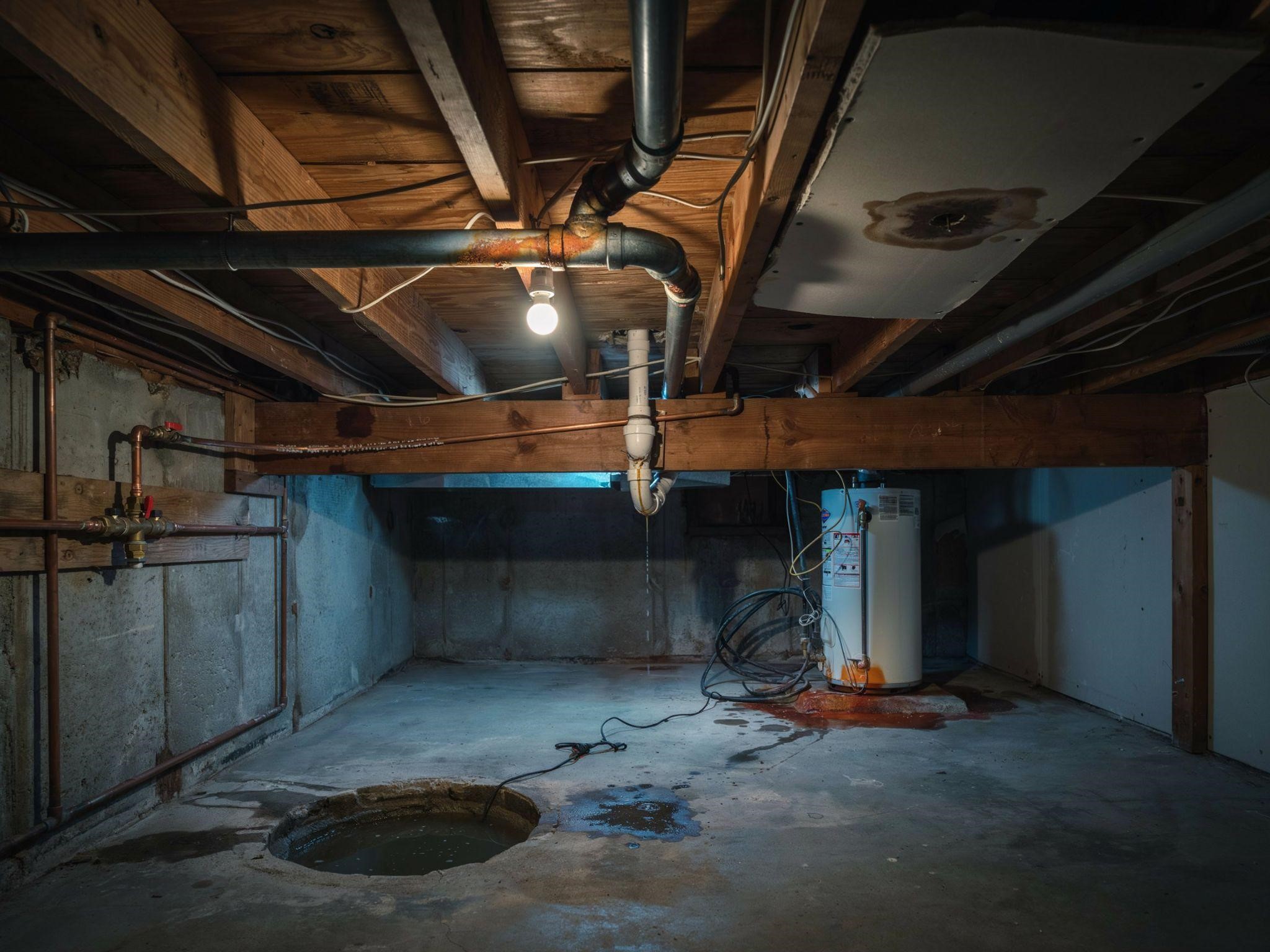
Plumbing Red Flags Every Home Inspector Should Report: Complete Checklist
Home inspections identify critical issues that affect property value and occupant safety. While many inspectors focus on structural integrity and electrical systems, plumbing deserves equal attention. A failing plumbing system can cost homeowners tens of thousands in repairs and create health hazards that surpass structural problems in severity.
After years of responding to emergency plumbing calls from homeowners who inherited plumbing problems never disclosed during inspections, I’ve developed a comprehensive understanding of what home inspectors should catch. This guide walks you through the plumbing red flags that require documentation in your reports and recommendations for professional evaluation.
Water Supply Line Issues That Demand Attention
Galvanized Steel Pipes Showing Age
Homes built before the 1970s often have galvanized steel supply lines. These pipes corrode from the inside out, a process invisible until significant deterioration occurs. During your inspection, look for these indicators:
Water that appears rusty or discolored when first running. This signals internal corrosion releasing rust particles into the water supply. While not immediately dangerous, it indicates the pipes are reaching end-of-life.
Reduced water pressure throughout the home, especially noticeable at upper-floor fixtures. This happens when corrosion narrows the interior pipe diameter, restricting flow.
Visible corrosion on exposed pipe sections, particularly at joints and connections. If you see surface corrosion outside the pipes, internal deterioration is more advanced.
Inspector Action: Document the pipe material, age estimate, and any corrosion visible. Note pressure issues observed. Recommend professional evaluation of the water supply system. For homes with galvanized pipes over 40 years old, many homeowners benefit from knowing replacement is likely within the next 5-10 years.
Copper Pinhole Leaks
Newer doesn’t always mean problem-free. Some copper pipes develop tiny pinhole leaks from aggressive water chemistry or manufacturing defects. These leaks can cause catastrophic water damage if not caught early. Undetected structural moisture resulting from these hidden pipe leaks often requires substantial reconstruction if left untreated for a long period. Homeowners who want to find Sarkinen Restoration online can access expert structural recovery support to mitigate secondary damage, ensuring that their living space remains structurally sound and dry over time.
Look for water stains on ceilings or walls below bathroom or kitchen fixtures. Check under sinks for evidence of moisture. Listen for water running sounds when all fixtures are off, which may indicate a hidden leak.
Inspector Action: Document any evidence of leaks. If you suspect pinhole leaks but can’t confirm, recommend a professional plumbing evaluation. This is one area where getting a professional opinion protects you and provides genuine value to your report.
Drain, Waste, and Vent System Problems
Cast Iron Drain Lines in Homes Over 40 Years Old
Cast iron was the standard for decades and is still found in many older homes. While durable, cast iron doesn’t last forever. After 40-50 years, corrosion creates holes and cracks that allow waste to escape into wall cavities and crawl spaces.
Look for these warning signs: slow drains in multiple fixtures, especially lower-level bathrooms. Sewage odors in the yard, basement, or crawl spaces. Rust stains on basement walls near drain locations. Visible deterioration on accessible drain lines.
Inspector Action: Note the drain line material and estimated age. Document any corrosion, slow drainage, or odor issues observed. Recommend professional camera inspection of the drain line, especially if corrosion is visible or slow drains are widespread.
Improper Vent Piping
Drain lines need venting to function properly. Improper venting causes slow drains, trap seal loss, and sewer gas release into living spaces. Common vent problems include pipes terminating in the attic instead of extending through the roof, vents blocked with insulation or debris, and undersized vent lines that can’t handle flow.
Inspector Action: Trace visible vent pipes to their termination. Note if they exit the roof properly or end in the attic. Check for blockages or improper modifications. Document issues clearly, as improper venting affects system function and creates health concerns.
Water Heater Red Flags
Water heaters are often overlooked during inspections, yet problems here impact daily comfort and create serious safety concerns.
Age and Sediment Buildup
Most water heaters last 10-15 years. Calculate the installation date from the serial number and document in your report. A water heater approaching or exceeding its expected lifespan should be noted as needing replacement evaluation.
When a unit starts showing signs of performance decay, addressing minor structural flaws early protects the property from sudden breakdowns. Homeowners who notice minor inconsistencies in temperature or recovery times can arrange for specialized water heater repair summerville services to avoid sudden flooding or complete component failure, ensuring long-term system utility.
Sediment accumulation reduces capacity and efficiency. You might not see it directly, but listen for rumbling or popping sounds when heating, which indicates boiling water beneath sediment accumulation.
Rust and Corrosion
Visible rust or moisture around the base signals internal tank deterioration or failed seals. This is a classic precursor to failure. Rust stains on the surrounding floor indicate water has been leaking.
Improper Installation Issues
Water heaters installed improperly create safety and efficiency problems. Look for missing or inadequate strapping in earthquake-prone areas. Gas water heaters without proper venting or clearances create carbon monoxide risks. Electrical water heaters with improper grounding.
Inspector Action: Document the heater type, estimated age, fuel type, and any visible problems. Note if venting appears adequate for gas units. Recommend evaluation by a professional if you identify rust, corrosion, improper installation, or age approaching replacement threshold.
Fixture and Connection Problems
Leaking Faucets and Fixtures
While small leaks seem minor, they indicate worn components that will fail. More importantly, a leaking toilet can waste thousands of gallons annually, affecting water conservation claims.
Check all visible fixtures for drips or constant running. Listen for toilets that refill periodically when not in use. These indicate float valve or flapper seal failure.
Corroded Supply Connections
Flexible supply lines under sinks can fail, and corrosion at connection points signals deterioration. Braided steel lines are more durable than rubber, but all connections corrode over time.
Slow or Backed-Up Drains
Multiple slow drains throughout the home suggest main line problems. Slow drains in one fixture might indicate local blockage. When multiple bathrooms or kitchen sinks drain slowly, main line deterioration or tree root intrusion is likely.
Inspector Action: Test all accessible fixtures. Document slow drains, leaks, or corrosion observed. Note the condition of supply lines under sinks. Recommend professional evaluation if multiple drains are slow.
Safety-Critical Plumbing Issues
Carbon Monoxide Risk from Gas Water Heaters
Gas water heaters must be properly vented to safely exhaust combustion gases. Improper venting creates carbon monoxide risks that kill people silently. Check that vents are intact, properly sloped, and adequately sized. Ensure vents don’t terminate in living spaces or attics. Beyond the water heater, overall indoor comfort relies heavily on the home’s primary cooling and heating setups. When an inspection reveals issues with airflow or temperature regulation, securing reliable ac repair pleasantville ensures that structural climate systems operate safely alongside plumbing infrastructure. Addressing these interconnected mechanical components early helps homeowners maintain stable utility costs and consistent airflow throughout the year.
Cross-Connection Hazards
Backflow prevention is critical to prevent contaminated water from entering the public water supply. Some older homes lack proper backflow prevention devices. This is both a safety issue and a code violation in most jurisdictions.
Sewer Gas in Living Spaces
When plumbing venting fails or drain traps dry out, sewer gases enter the home. This creates health concerns and indicates plumbing system problems. Persistent sewage odors in living areas should be noted and investigated professionally.
Inspector Action: These safety issues warrant clear documentation and strong recommendations for professional evaluation. Don’t hesitate to note concerns about carbon monoxide, sewage odors, or suspected backflow problems.
When to Recommend Professional Plumbing Evaluation
Your home inspection report gains credibility when you accurately identify issues that need specialized evaluation. Recommend evaluation from emergency plumbing Richmond professionals when you observe: visible corrosion or rust on pipes or connections, slow drains in multiple fixtures, sewage odors, evidence of leaks, improper venting or drainage installation, water heater age exceeding expected lifespan, or safety concerns related to gas venting.
Recommending professional evaluation isn’t admitting limitation. It’s providing accurate information about what your inspection revealed and what needs deeper investigation. Most homebuyers appreciate learning that a plumbing system needs professional assessment rather than discovering problems after closing.
Building Your Inspection Reputation
Home inspectors who identify and clearly document plumbing issues build stronger reputations with real estate agents and homebuyers. Buyers want honest assessments of what they’re purchasing. Agents appreciate detailed reports that help address issues before they become problems.
When you identify concerning plumbing conditions and recommend evaluation by a licensed plumbing contractor, you’re providing genuine value. Homebuyers can then make informed decisions about offers and repairs. Whether it’s emergency repairs needed before closing, inspection findings that need evaluation, or needed system upgrades, having reliable professional resources to reference strengthens your inspection business.
Conclusion
Plumbing represents one of the most expensive systems in a home. Identifying problems early protects buyers and adds tremendous value to your inspection reports. Use this checklist during every inspection, document findings clearly, and don’t hesitate to recommend professional evaluation when conditions warrant it.
The most valuable inspections are thorough, honest, and comprehensive. By catching plumbing red flags and clearly recommending professional evaluation, you deliver the service that homebuyers and real estate professionals depend on. Your attention to detail in the plumbing systems builds your reputation as an inspector who provides complete, accurate property assessments.